Lab-in-the-loop unit
Closing the loop between prediction and experiment
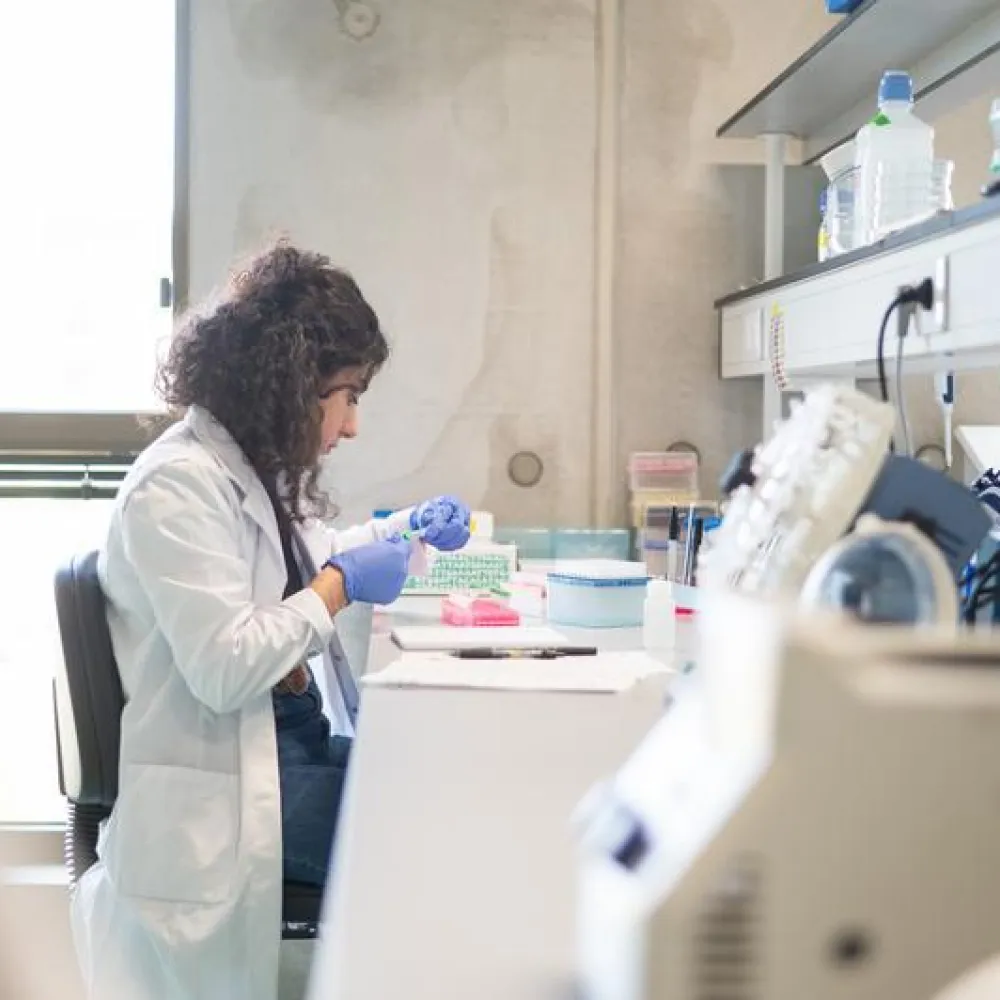
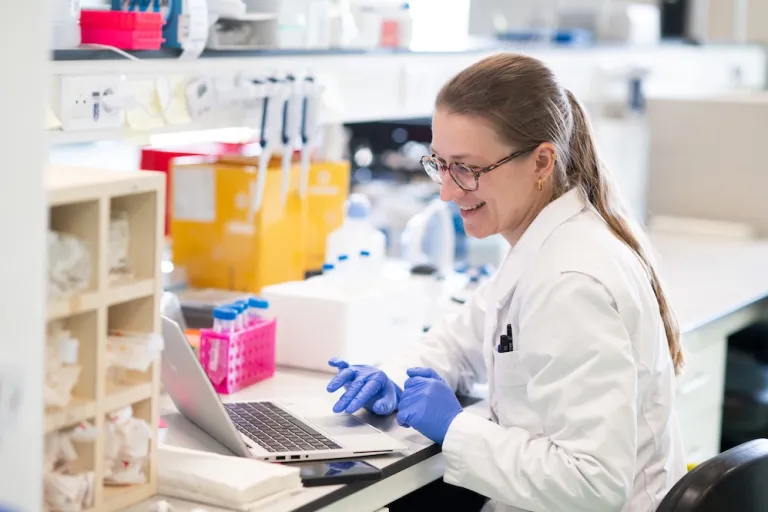
Computational models can generate large numbers of hypotheses, candidate genes, proteins, regulatory elements, or perturbations. The Lab-in-the-Loop Unit helps translate these predictions into experiments and return the resulting data to the computational workflow.
By shortening this feedback cycle, we aim to make model development more experimentally grounded, scalable, and informative.
What can we do for you?
We help translate computational questions into experimental workflows, from assay design and data generation to high-throughput validation and automation.
Our expertise can support projects across areas including transcriptomics, proteomics, regulatory biology, and neuroscience.
When should you contact us?
Come to us if you have:
- a model prediction you want to test;
- a need for new experimental data to train or refine a model;
- an experimental workflow you want to scale or automate.
Your project does not need to be fully developed. We can shape the experimental strategy together.

Have a model prediction you want to test, a dataset you want to generate, or an experimental bottleneck in a computational project?
We are happy to discuss projects at an early stage and explore how experimental design, scalable validation, or automation could contribute.
Get in touch with Dan Dascenco, Lead of the Lab-in-the-Loop Expertise Unit
Dan leads the development of VIB.AI’s experimental and automation capabilities. His background includes molecular biology, proteomics, and high-throughput experimental approaches, with a particular interest in studying biological systems at scale. At VIB.AI, he works closely with computational researchers to translate model predictions into experimental workflows and to build the infrastructure needed for increasingly automated, AI-assisted experimentation.